
Using AI Tools in Research: Where the Line Is
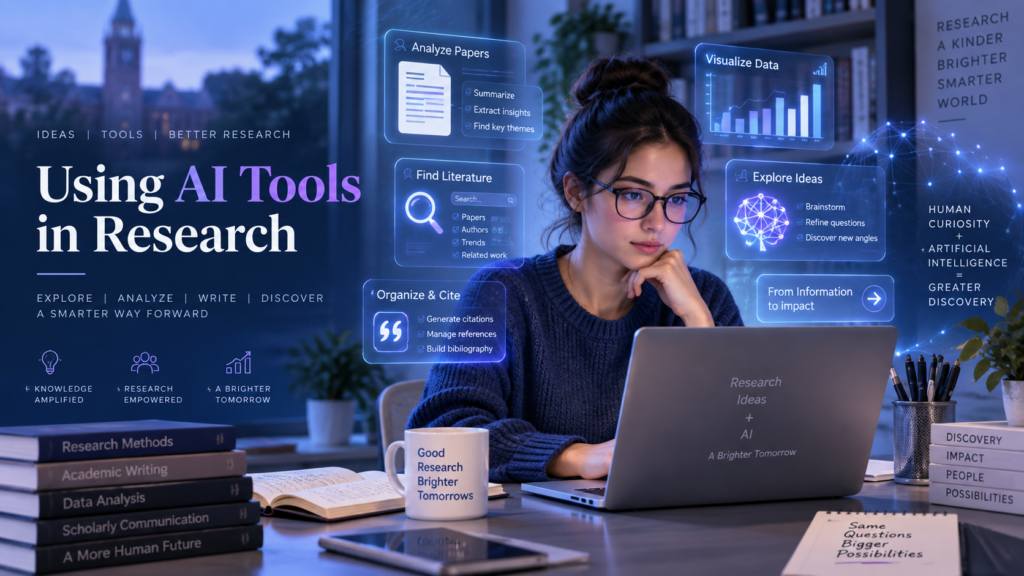
BLOGS Using AI Tools in Research: Where the Line Is A practical 2026 guide to using generative AI without outsourcing your judgement, authorship, confidentiality, or academic responsibility The line is not simply “AI allowed” versus “AI banned.”The real questions are what the tool did, what information you gave it, whether you verified the output, whether […]
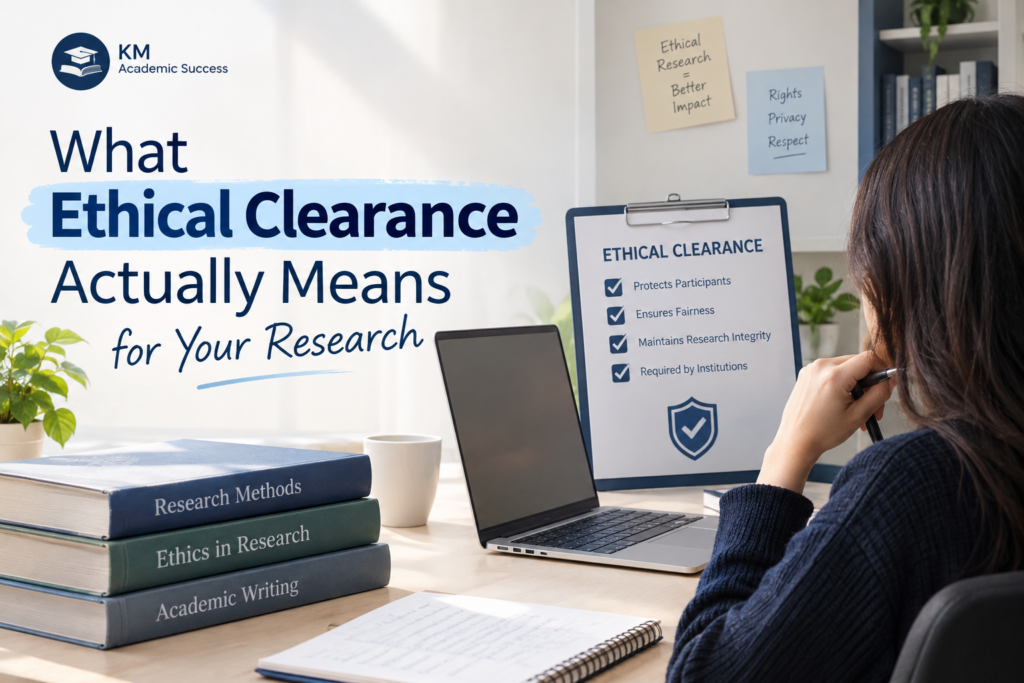
What Ethical Clearance Actually Means for Your Research
BLOGS Common Reasons Research Proposals Get Rejected Why strong students still lose opportunities – and how to make your proposal clearer, more feasible, and easier to trust A rejection does not always mean the idea is bad.Research proposals are rejected when reviewers cannot clearly see a worthwhile question, a defensible gap, a workable method, a […]
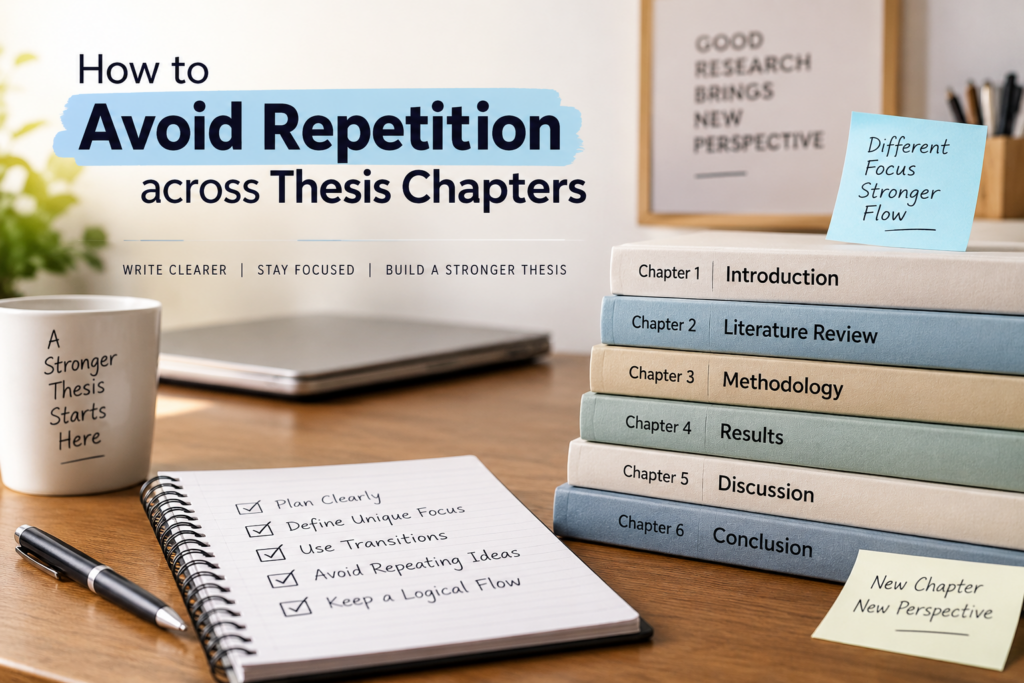
How to Avoid Repetition across Thesis Chapters
BLOGS Common Reasons Research Proposals Get Rejected Why strong students still lose opportunities – and how to make your proposal clearer, more feasible, and easier to trust A rejection does not always mean the idea is bad.Research proposals are rejected when reviewers cannot clearly see a worthwhile question, a defensible gap, a workable method, a […]
Common Reasons Research Proposals Get Rejected
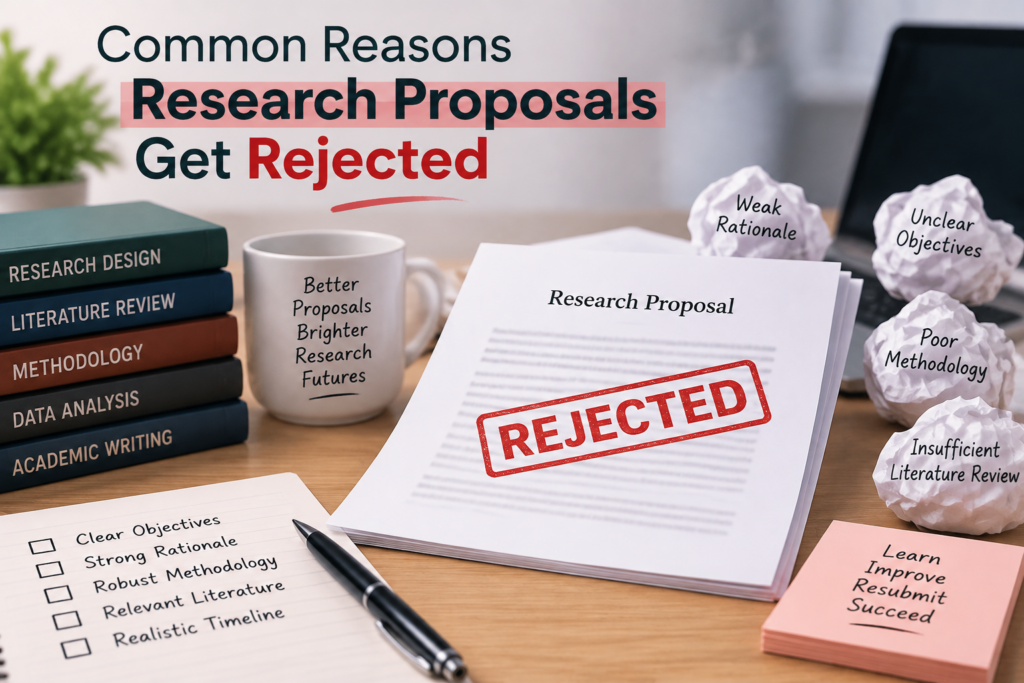
BLOGS Common Reasons Research Proposals Get Rejected Why strong students still lose opportunities – and how to make your proposal clearer, more feasible, and easier to trust A rejection does not always mean the idea is bad.Research proposals are rejected when reviewers cannot clearly see a worthwhile question, a defensible gap, a workable method, a […]
Self-Plagiarism: Can You Plagiarize Your Own Work?
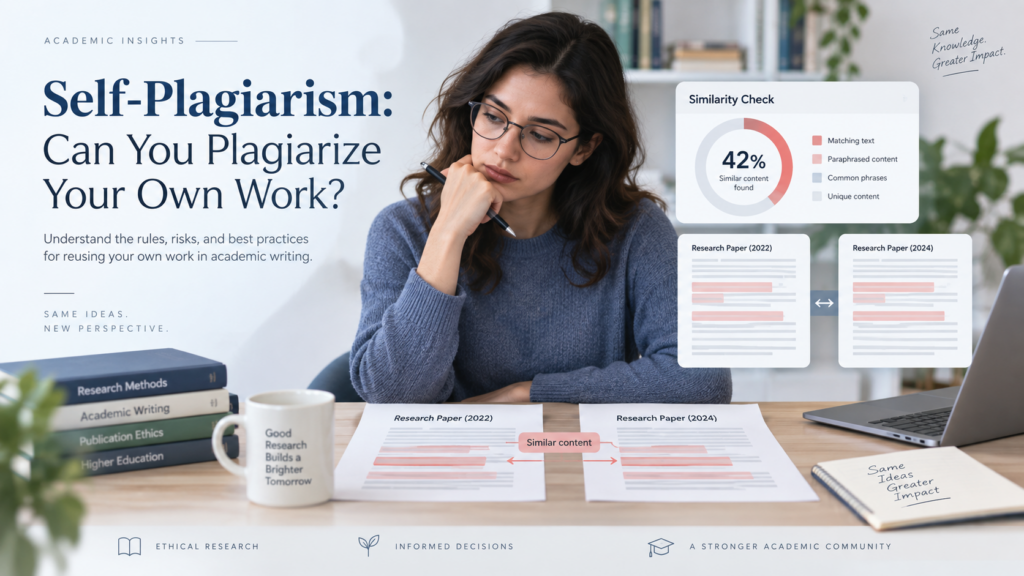
BLOGS Self-Plagiarism: Can You Plagiarize Your Own Work? A practical guide for students, dissertation writers, researchers, and academic authors Introduction: Why “Plagiarizing Yourself” Is Not as Contradictory as It Sounds Plagiarism is usually understood as presenting another person’s words, ideas, data, or creative work as your own. That definition makes the phrase “self-plagiarism” sound contradictory: […]
How to Justify Your Research Methodology to a Supervisor

BLOGS What Should Actually Go in Your Scope and Limitations Section? A practical guide for dissertations, theses, proposals, and research papers Introduction: Why Scope and Limitations Matter A strong research project does more than present an interesting question and a set of findings. It also tells the reader exactly what the study covers, where its […]
What Should Actually Go in Your Scope and Limitations Section?
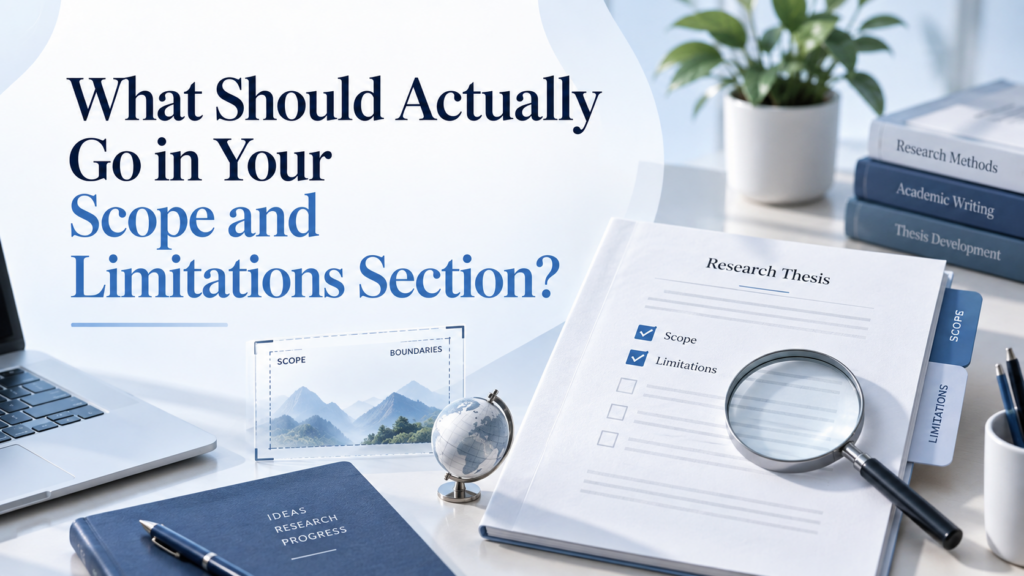
BLOGS What Should Actually Go in Your Scope and Limitations Section? A practical guide for dissertations, theses, proposals, and research papers Introduction: Why Scope and Limitations Matter A strong research project does more than present an interesting question and a set of findings. It also tells the reader exactly what the study covers, where its […]
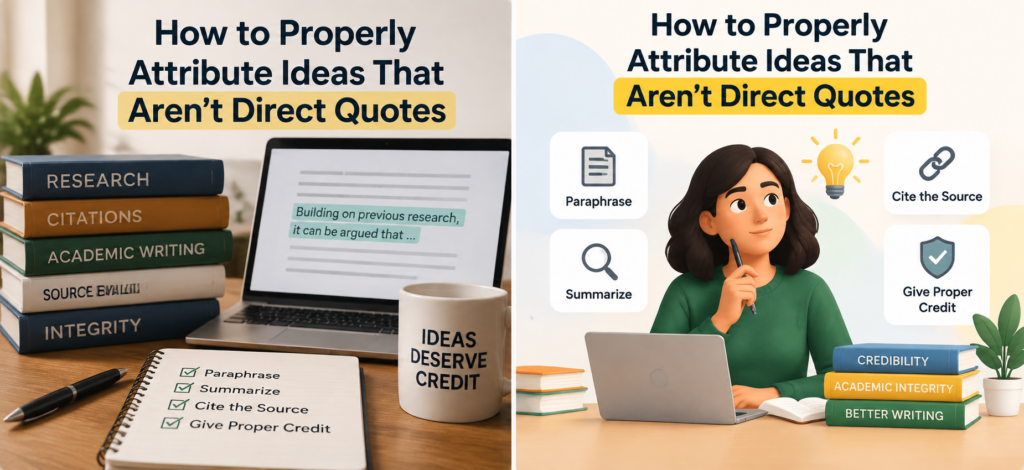
How to Properly Attribute Ideas That Aren’t Direct Quotes
BLOGS How to Critically Evaluate a Journal Article (Not Just Summarize It) A practical guide to moving from “what the authors said” to a reasoned judgement about quality, credibility, relevance, and contribution The one question that changes your readingDo not ask only: “What did this article find?” Ask: “How convincing is the evidence, what are […]
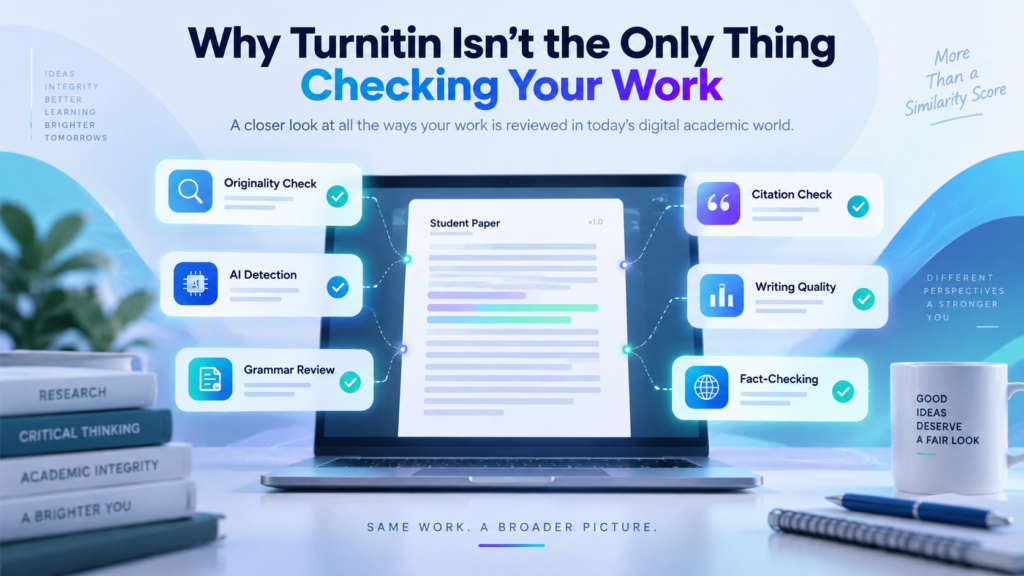
Why Turnitin Isn’t the Only Thing Checking Your Work
BLOGS How to Critically Evaluate a Journal Article (Not Just Summarize It) A practical guide to moving from “what the authors said” to a reasoned judgement about quality, credibility, relevance, and contribution The one question that changes your readingDo not ask only: “What did this article find?” Ask: “How convincing is the evidence, what are […]
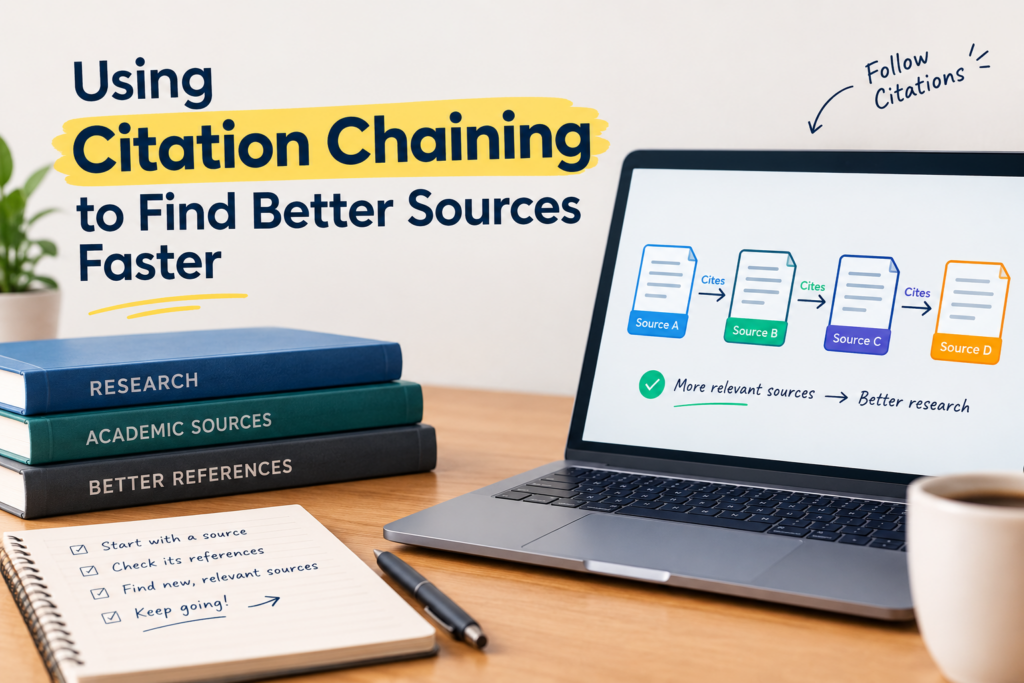
Using Citation Chaining to Find Better Sources Faster
BLOGS How to Critically Evaluate a Journal Article (Not Just Summarize It) A practical guide to moving from “what the authors said” to a reasoned judgement about quality, credibility, relevance, and contribution The one question that changes your readingDo not ask only: “What did this article find?” Ask: “How convincing is the evidence, what are […]